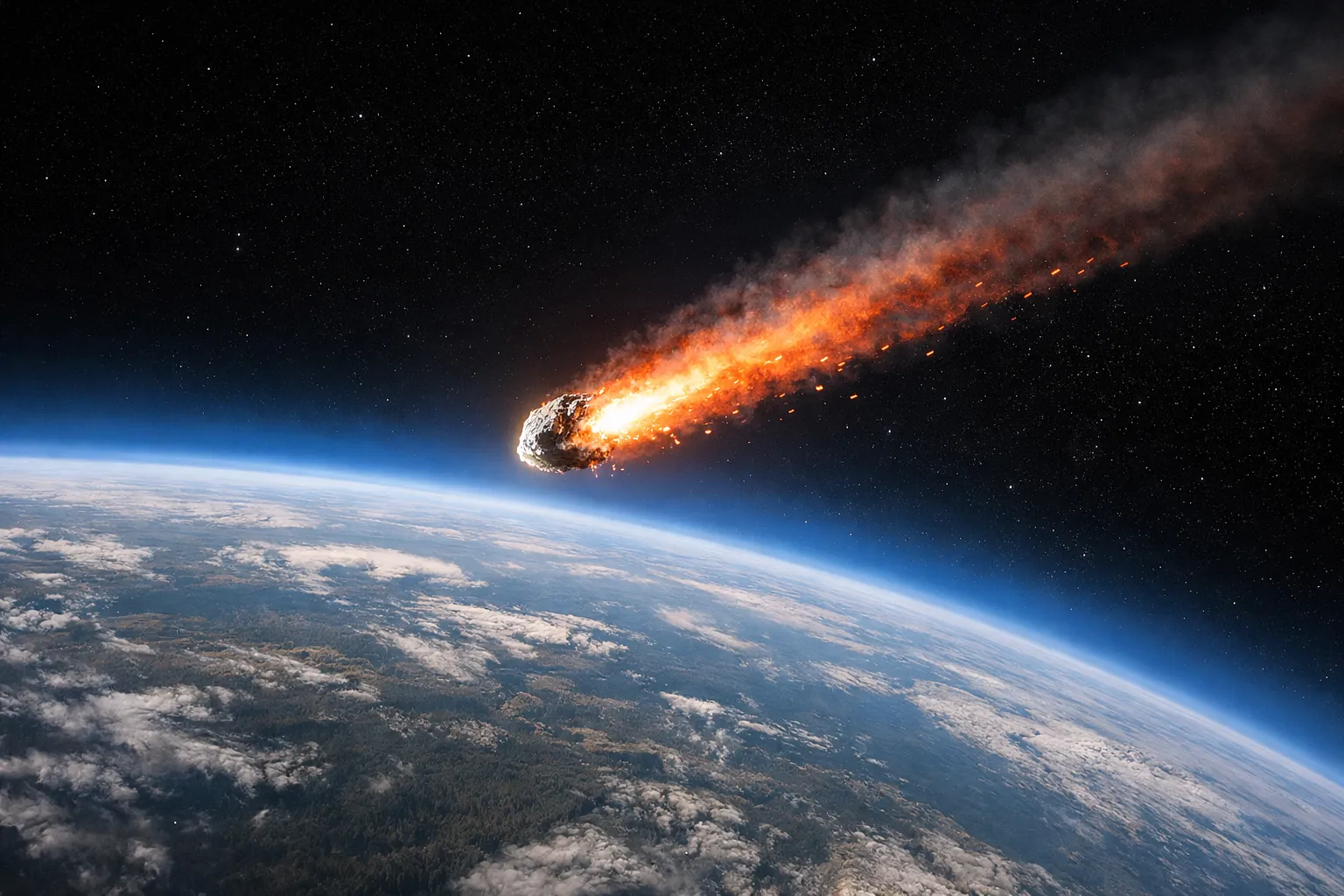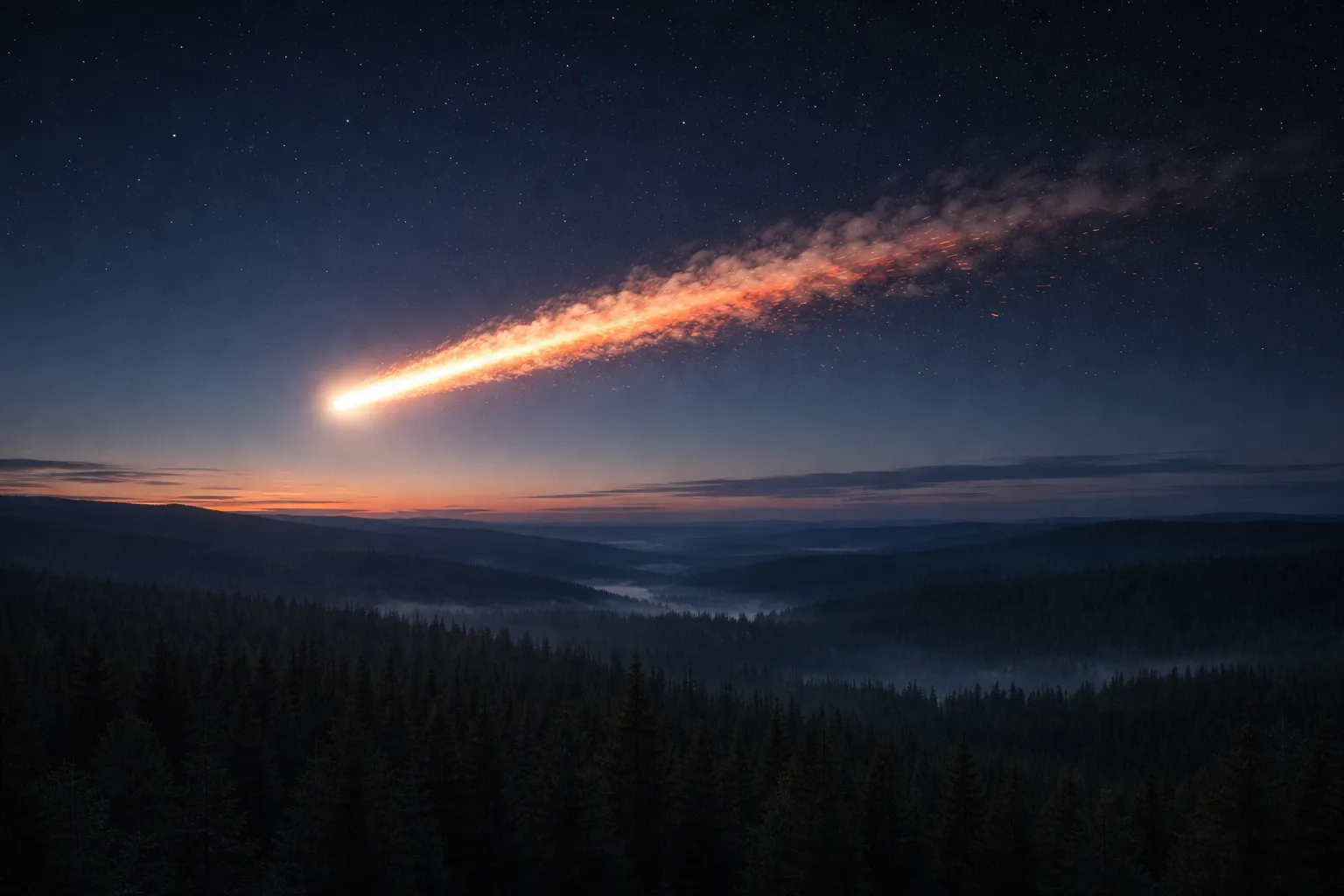
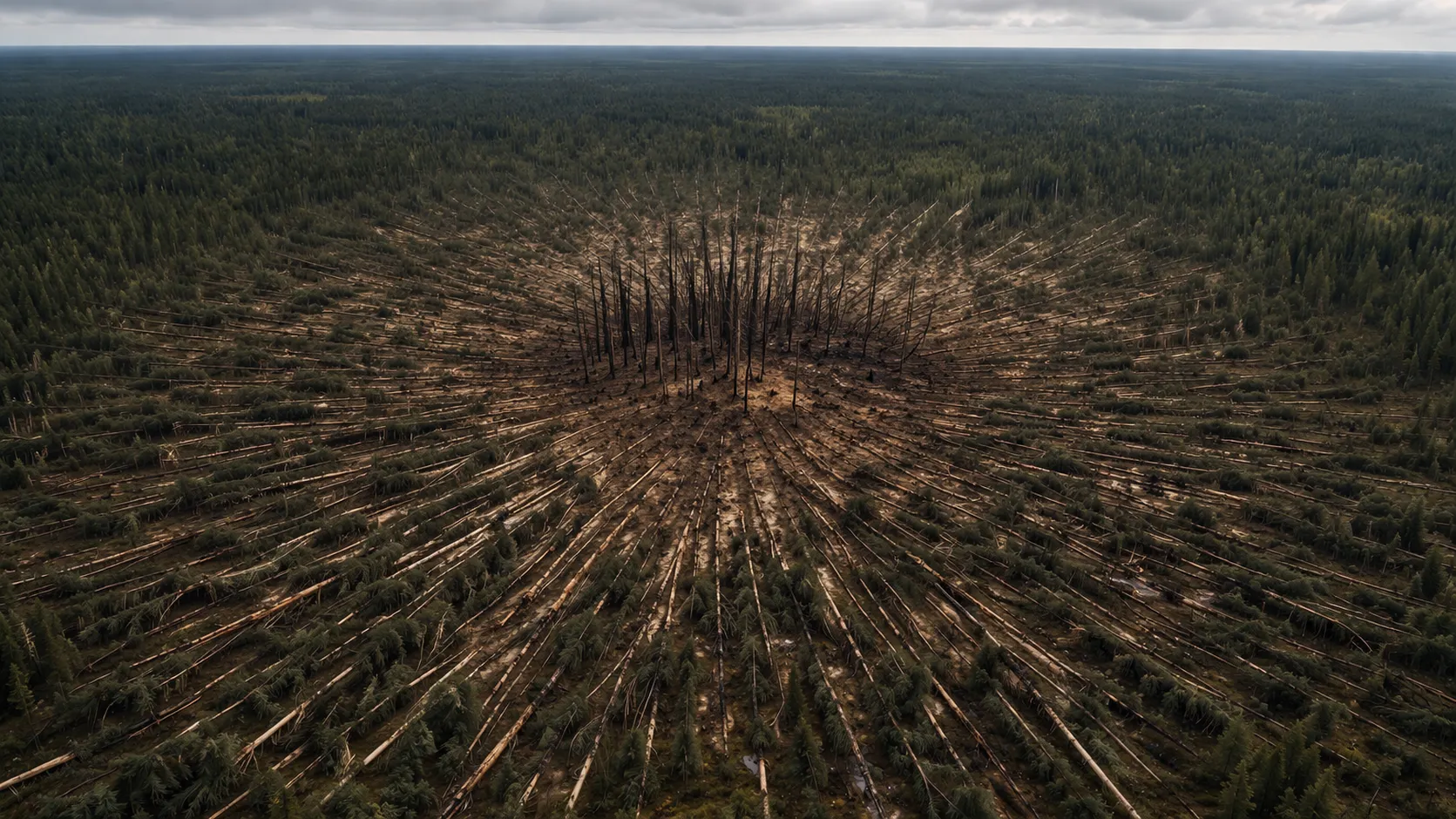
On the morning of June 30, 1908, something entered Earth’s atmosphere above Siberia and exploded with extraordinary force over the Tunguska region. The blast flattened an estimated 2,000 square kilometers of forest. Trees fell outward in a radial pattern. Witnesses reported a fireball, shock wave, and heat. But when investigators eventually reached the site, they found one missing thing: no impact crater.
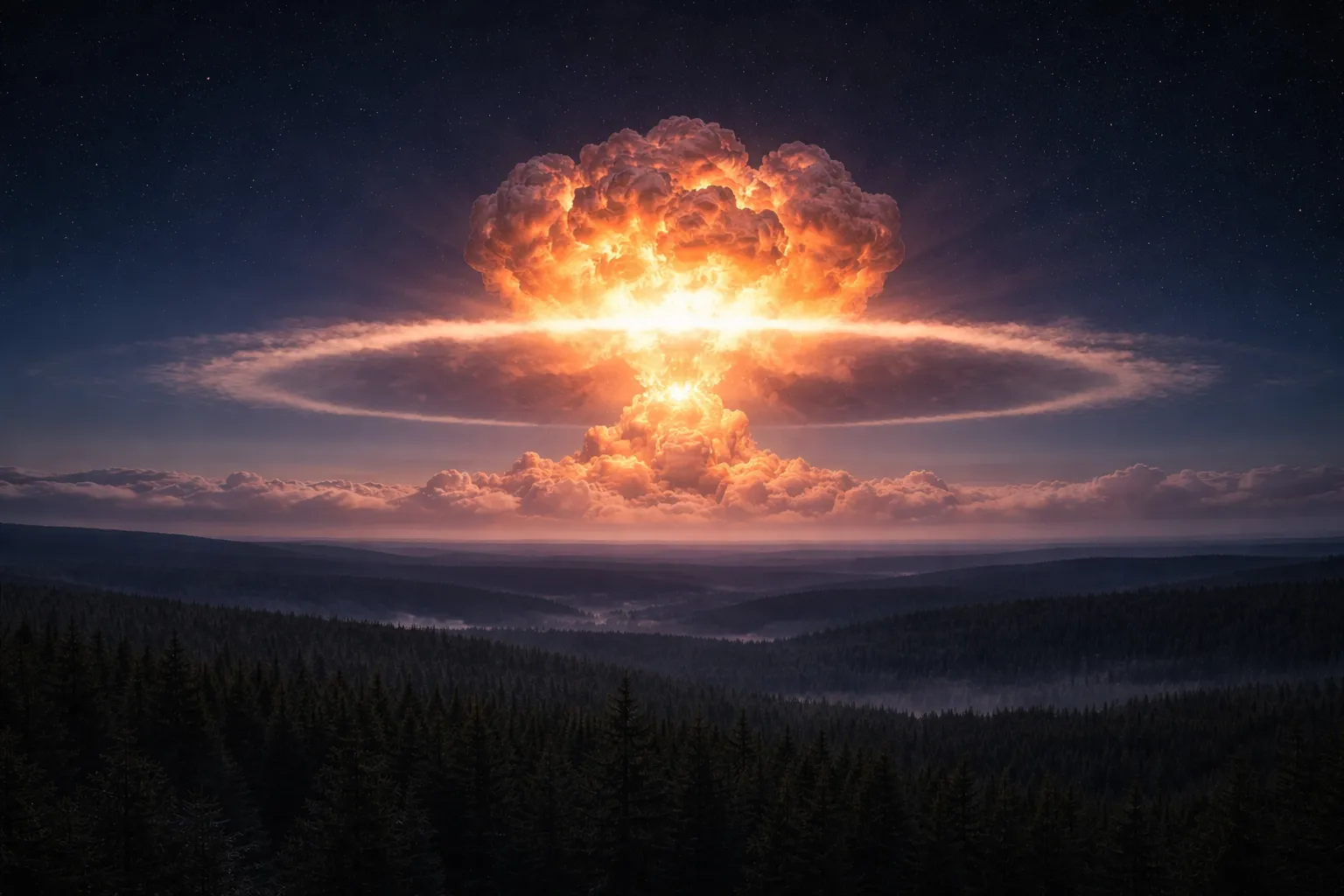
An airburst, not a ground strike
The best explanation today is that a stony asteroid, or perhaps a fragile comet fragment, exploded in the atmosphere before reaching the ground. The object was probably tens of meters across, not kilometers, but it was traveling so fast that even disintegrating in midair released devastating energy. Tunguska taught scientists that an object does not need to carve a crater to become a planetary hazard.
Part of the mystery came from geography. The site was remote, swampy, and politically hard to reach. Serious scientific expeditions were delayed. By the time researchers like Leonid Kulik began investigating in the 1920s, the evidence had already been shaped by weather, fire, and time. That delay helped make Tunguska feel legendary, but it also reminds us how fragile scientific evidence can be when nature gets there first.
Why Tunguska still matters
Tunguska matters now because it changed how scientists think about near-Earth objects. A small asteroid is not harmless just because it is small. Entry angle, composition, and speed all matter. An airburst over a remote forest becomes a scientific puzzle. The same event over a major city would become a human catastrophe. Modern planetary defense programs, sky surveys, and impact-risk modeling all live partly in the shadow of Tunguska.