Choose your destination.
Real-time 3D simulations with clear previews, focused learning goals, and a fast path into each world.
Built for scale, not clutter.
Each explorer now opens as a full editorial page first, with the concept, reading notes, and interface logic explained before the live scene is connected there.
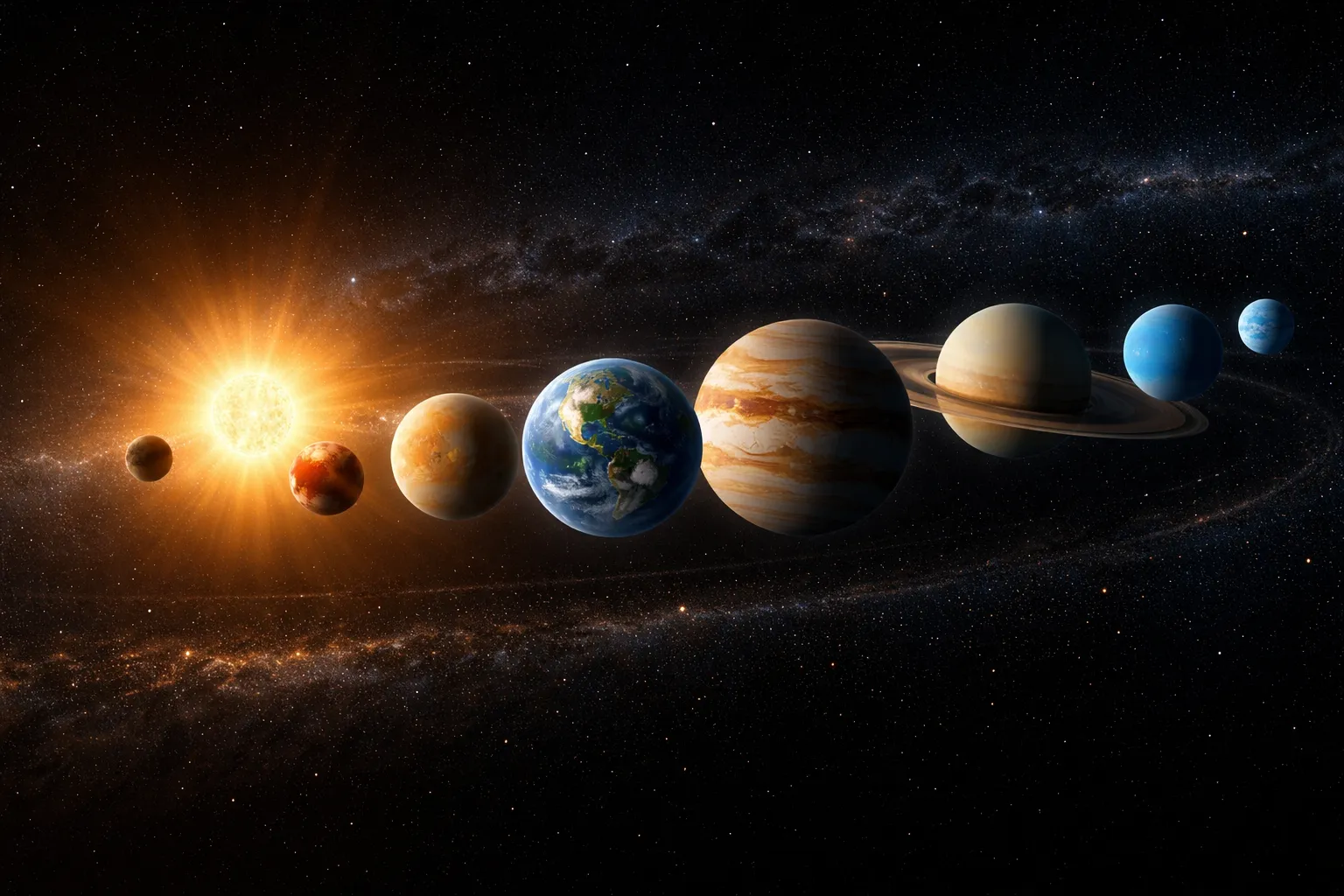
Solar System
Travel across the eight planets through an interface designed to make planetary scale, relative motion, and visual contrast feel legible before you enter the deeper interactive experience. The full page explains what the explorer is trying to teach, how to read what you are seeing, and where to start if this is your first pass through the system.
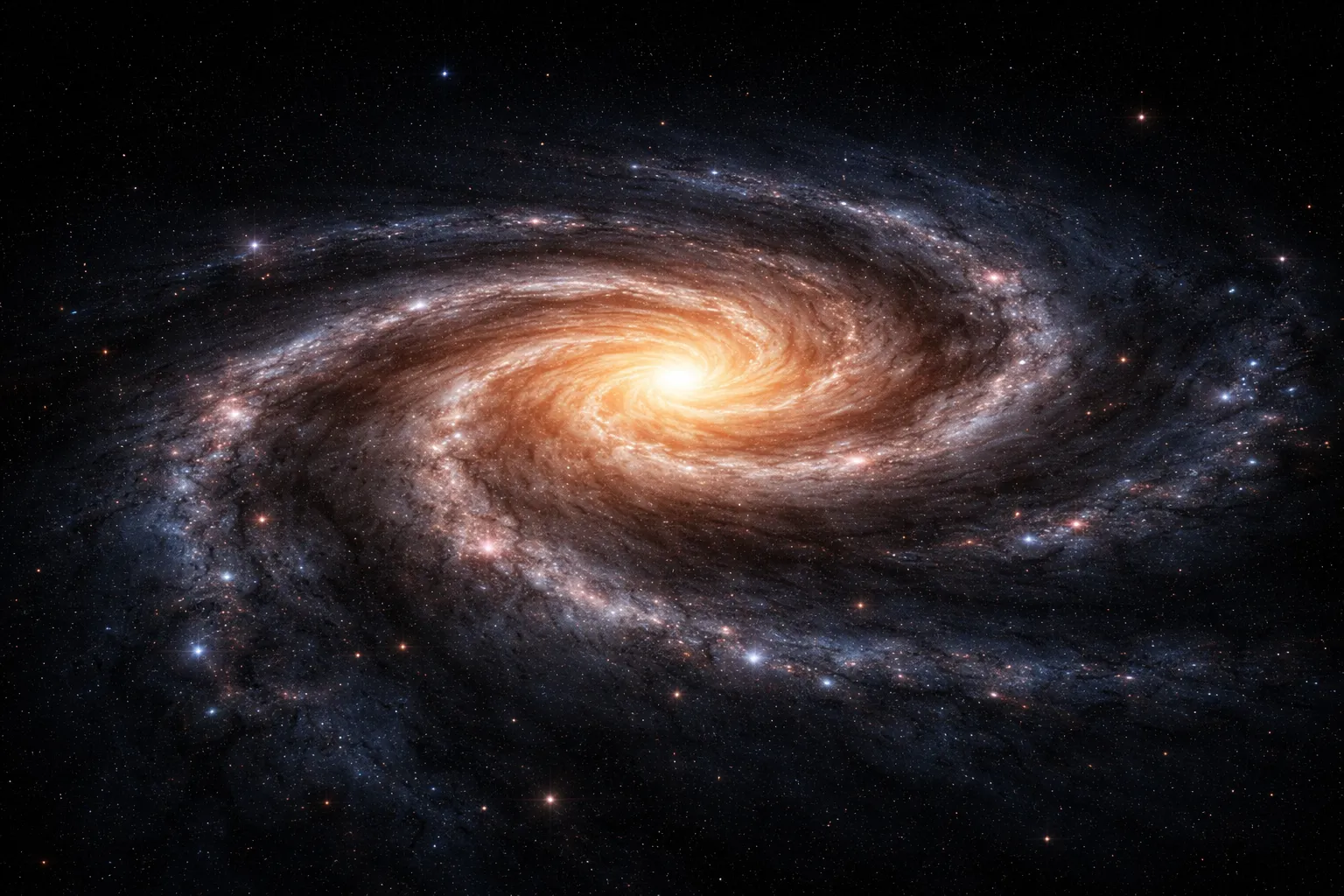
Milky Way Tour
Move through spiral arms, stellar neighborhoods, and the larger galactic map with a better sense of where the Solar System actually sits. The detailed page focuses on scale cues, perspective, and how the route through the galaxy will be structured.
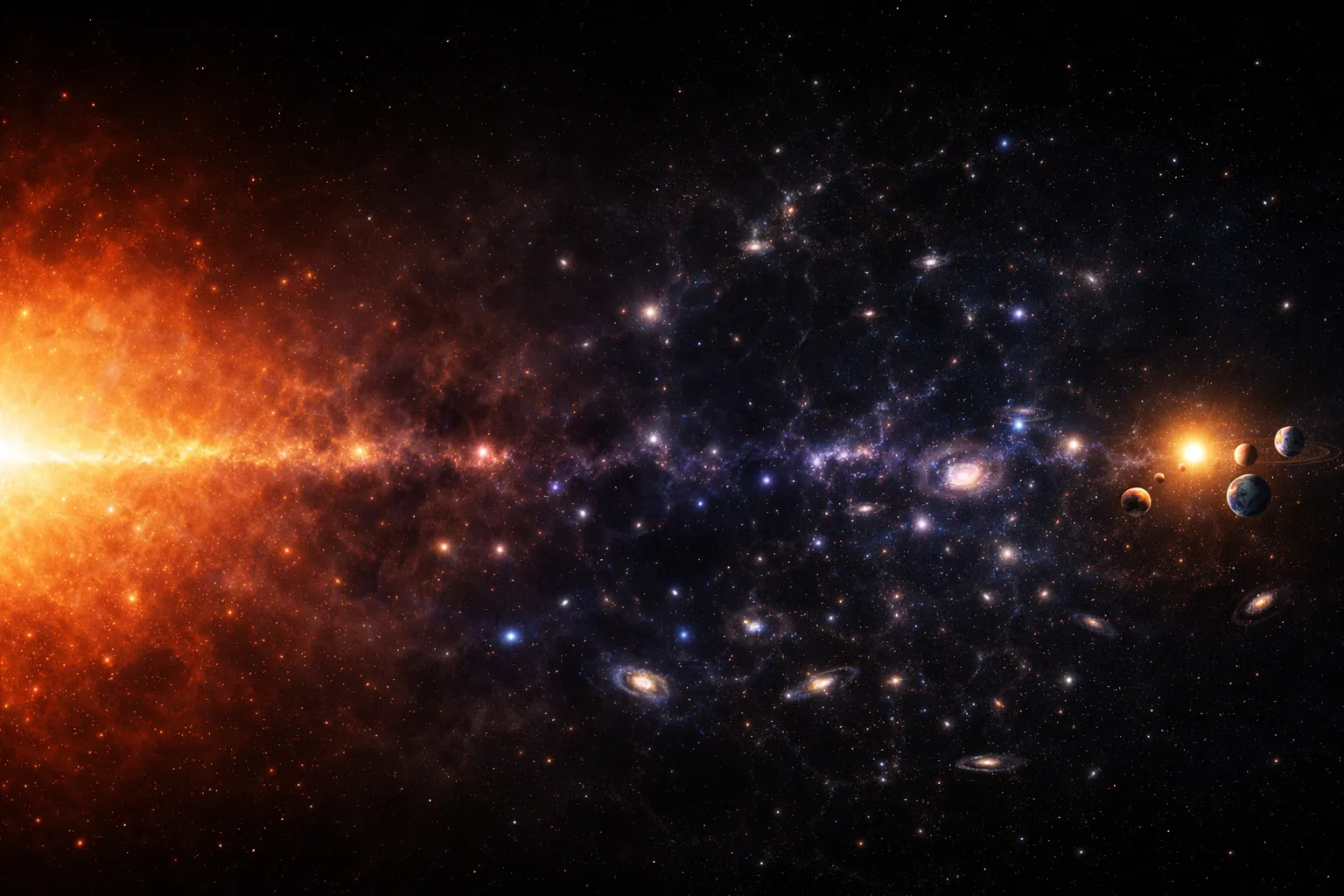
Cosmic Timeline
Follow the universe from early plasma to galaxies, stars, planets, and observatories in a sequence built to stay readable rather than abstract. The full page lays out the milestones, narrative structure, and viewing rhythm for the timeline.
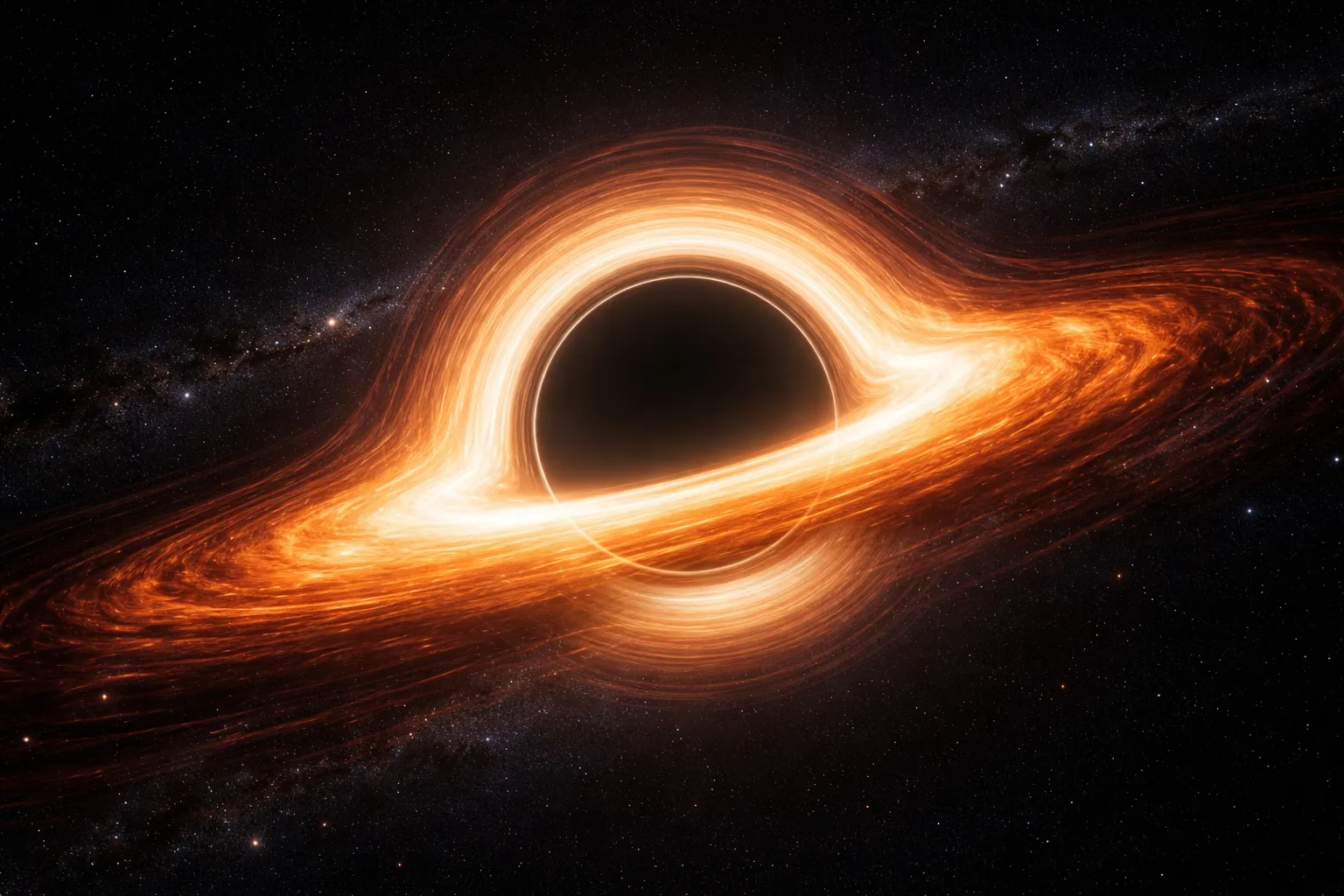
Black Hole Simulator
See how light bends near an event horizon, how redshift changes the view, and why time behaves strangely when gravity becomes extreme. The guide page now opens into the live interactive simulator.
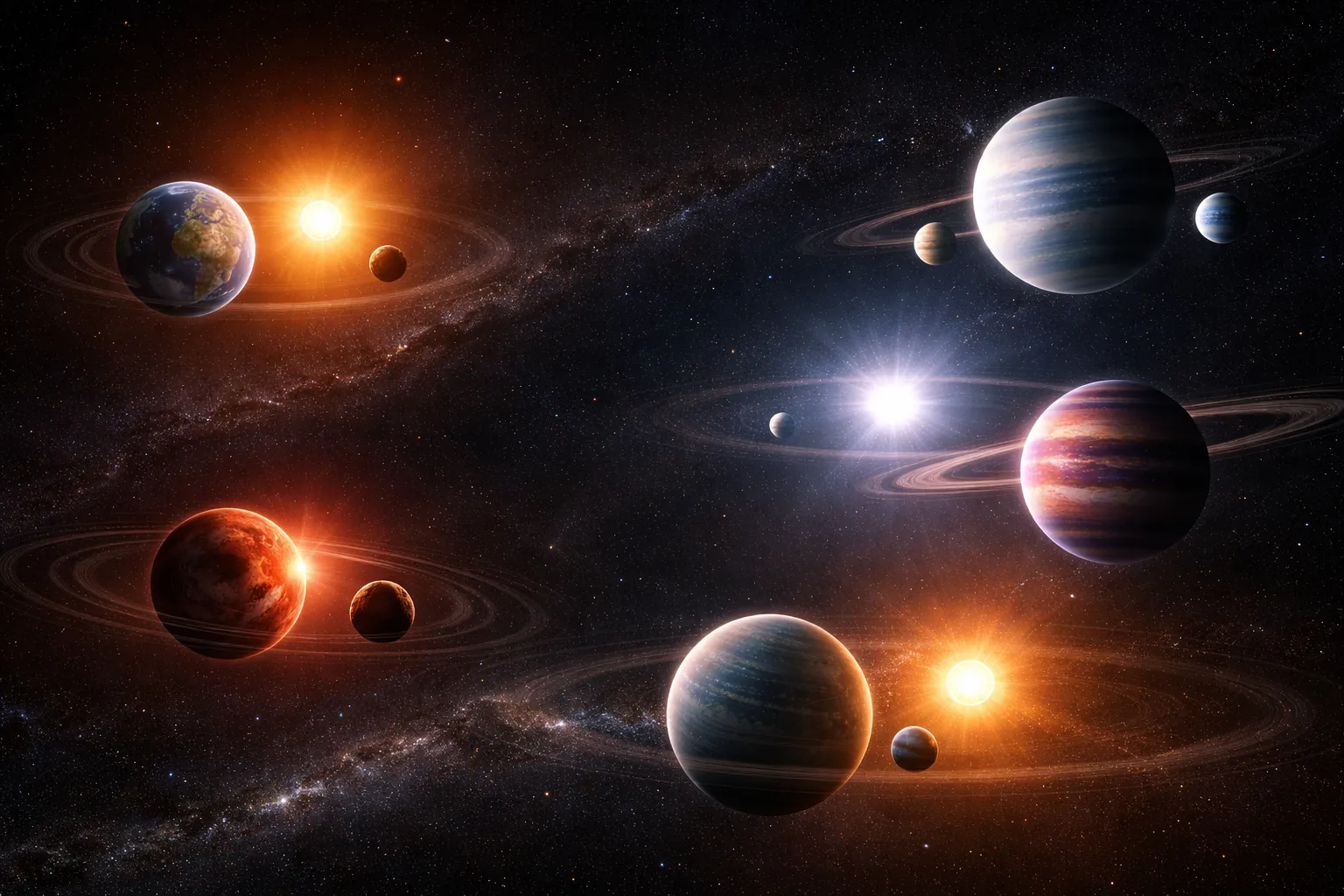
Exoplanet Atlas
Compare distant worlds by orbit, density, temperature, and host star type without turning thousands of discoveries into an unreadable database. The overview page explains how the explorer will sort, compare, and contextualize those planets.
Step inside the experiment.
Guided 3D laboratories rebuild frontier experiments stage-by-stage with live diagnostics. Start with the tokamak fusion reactor.
Tokamak Fusion Laboratory
Walk through eight stages of a fusion reactor — from an empty vacuum chamber to sustained plasma and power extraction. Live diagnostics update each frame; the geometry is built to match ITER-class confinement.