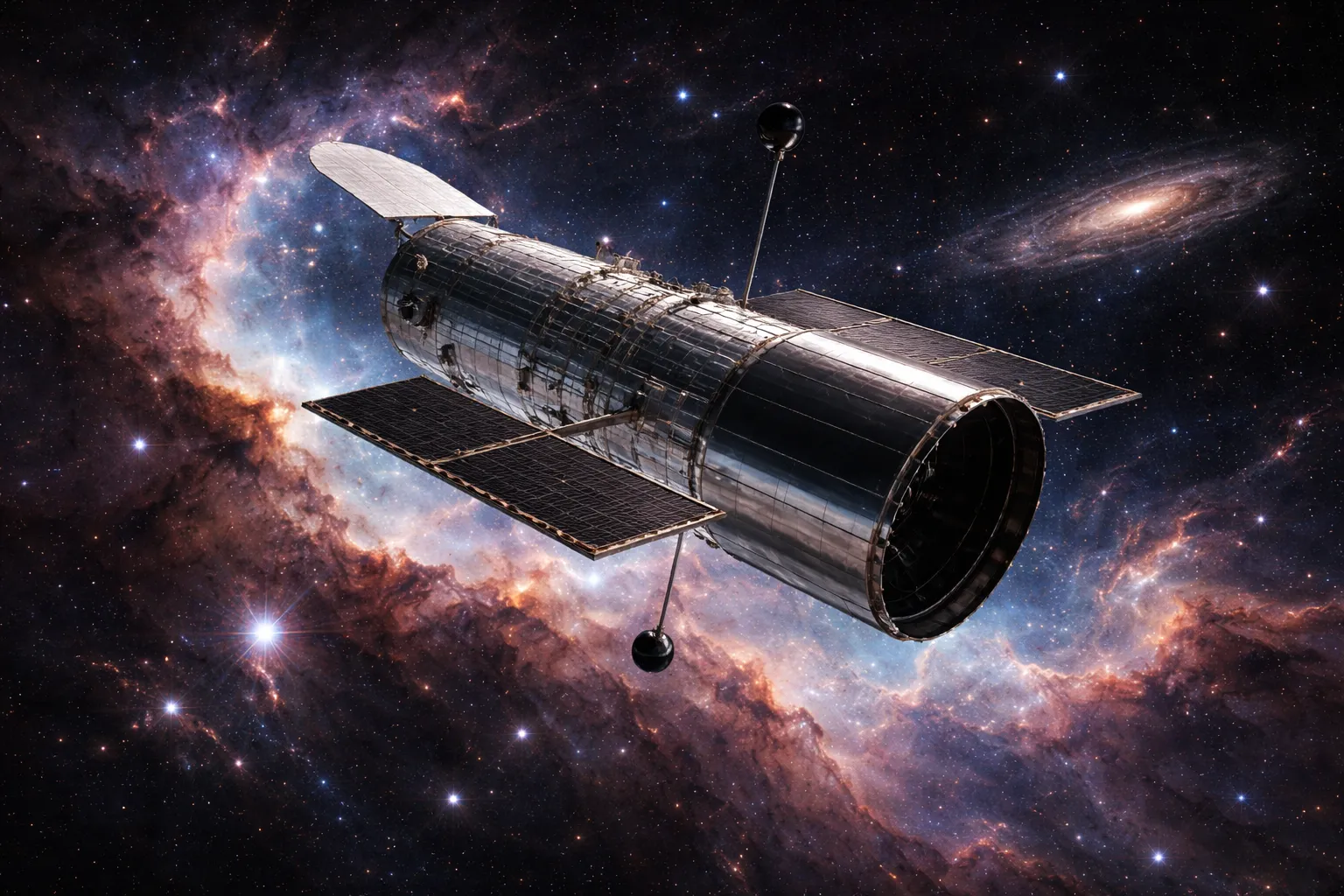
When the Hubble Space Telescope launched in 1990, it was supposed to become a symbol of precision and ambition. Instead, one of the first lessons it taught the public was that even the most expensive scientific instruments can fail in painfully human ways. Its primary mirror had been polished to the wrong shape by a tiny amount, producing spherical aberration and blurring the telescope’s view.

A tiny error with enormous consequences
The cause was not a mysterious law of physics. It was a testing problem. A device used during the mirror’s calibration had been misassembled, and the mistake passed through the chain of verification. That made the failure especially painful: the mission had not been defeated by the universe, but by preventable process error. NASA became a target for jokes, and Hubble became a public embarrassment before it had a chance to become a scientific triumph.
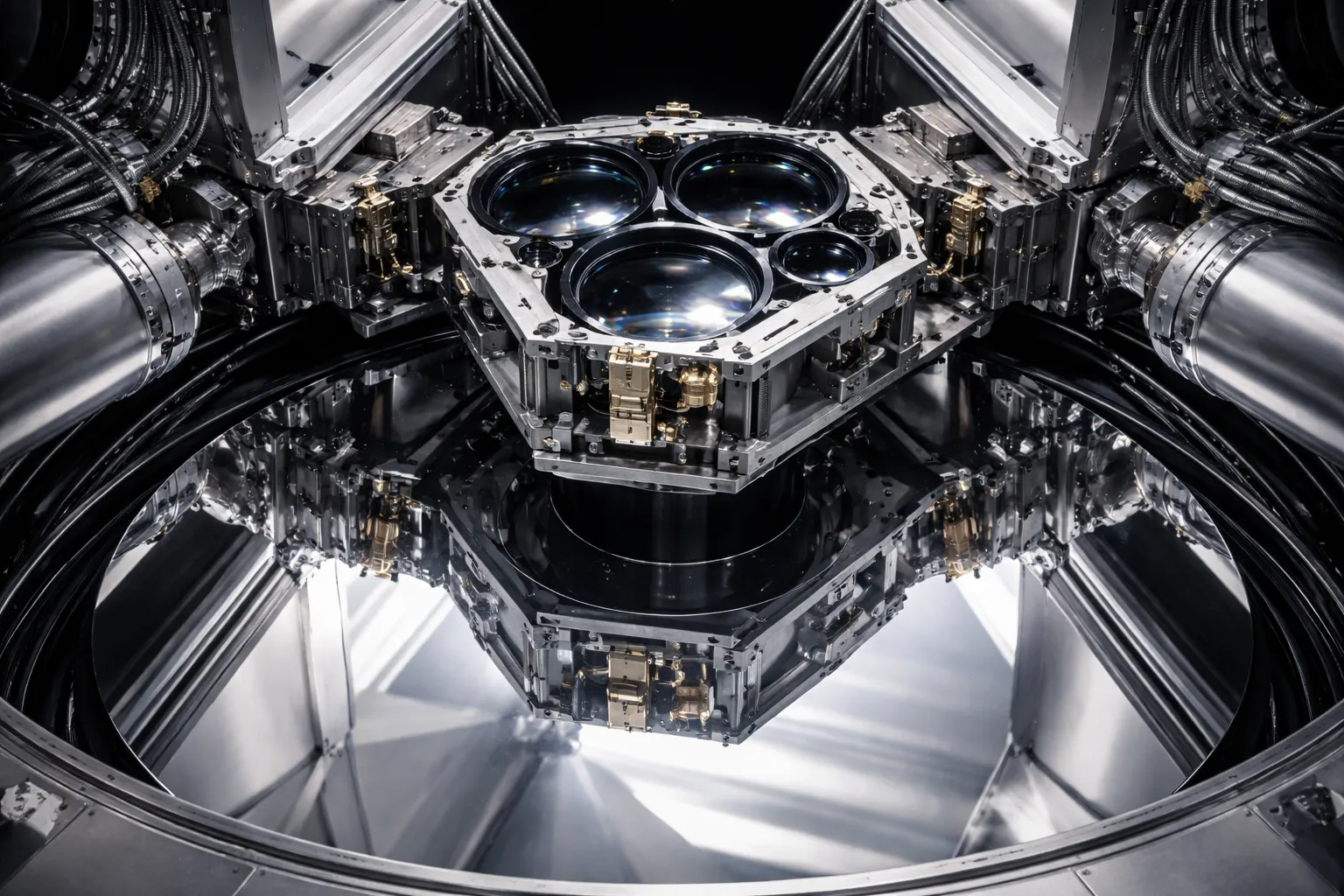
The recovery mission in 1993 changed everything. Astronauts installed corrective optics and a new camera package during a shuttle servicing mission, effectively giving Hubble glasses. The repaired telescope then went on to produce some of the most important astronomical images and data in history. In public memory, Hubble became a success story. In engineering culture, it became something even more important: a warning that process discipline matters as much as bold vision.
What NASA learned
The Hubble mistake helped push NASA toward stronger independent review, more careful systems engineering, and deeper humility about verification. Space agencies still make mistakes, but Hubble is one reason they now talk more openly about failure modes, redundancy, and cross-checks. The legacy of the flawed mirror is not only embarrassment. It is a better institutional memory.